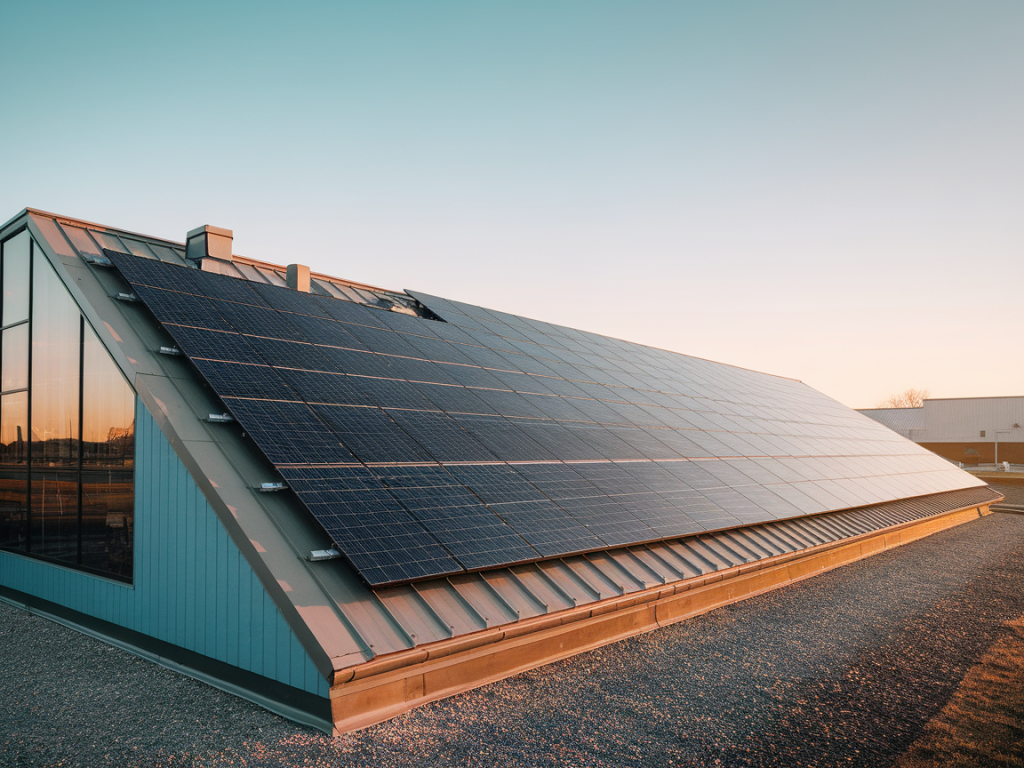
I often get asked by readers, clients and colleagues: which low-cost sustainability changes actually cut operating costs and make a property or company more attractive to institutional investors? Over the years I’ve seen that small, pragmatic upgrades—when chosen and communicated strategically—deliver both immediate savings and stronger investment case stories. Below I share the practical measures I recommend, real-world considerations, and how to present these changes to investors focused on long-term value and risk reduction.
Why low-cost sustainability measures matter to institutional investors
Institutional investors aren’t just chasing returns; they’re managing portfolios, regulatory risk, and reputational exposure. A low-cost intervention that reduces utility bills, decreases vacancy risk, or improves regulatory compliance can improve net operating income (NOI) while lowering downside risk. That combination—better short-term cashflow and lower long-term risk—matches investor goals.
High-impact, low-cost measures that reduce operating costs
- LED lighting retrofits: Swapping incandescent or fluorescent bulbs for LEDs is one of the fastest paybacks in building upgrades. LEDs reduce energy consumption by up to 50–70% and last several times longer, cutting replacement and maintenance costs.
- Smart thermostats and HVAC controls: Installing programmable or learning thermostats (e.g., Nest, Ecobee) and optimizing HVAC schedules can reduce heating and cooling costs by 10–20% in many commercial spaces.
- Low-flow fixtures and aerators: Bathroom and kitchen aerators, low-flow toilets and urinals cut water use significantly with low upfront cost. In areas with high water prices or sewer charges, paybacks can be very quick.
- Occupancy sensors and zoning controls: Motion sensors for lighting and zoned HVAC controls ensure energy is used only where needed—especially valuable in mixed-use or intermittently occupied buildings.
- Seal and insulate: Caulking, weatherstripping and affordable insulation in attics or around windows reduce thermal loss and improve HVAC efficiency for minimal expense.
- Waste-reduction and recycling programs: Introducing separated recycling streams, composting in food-service sites, or pay-as-you-throw policies lowers waste disposal costs and can generate incremental revenue in certain markets.
- Energy-efficient appliances and office equipment: Replacing old refrigerators, boilers, or copiers with ENERGY STAR-rated units reduces energy consumption and maintenance costs.
- Behavioral programs coupled with feedback: Low-cost tenant engagement—weekly usage reports, competitions, or dashboards—can produce 5–15% energy savings. Tools like EnergyCAP or simple dashboards add transparency at low cost.
- Green cleaning products and leasing language: Switching to less-toxic cleaning solutions and including green clauses in leases (green leases) has modest direct savings but reduces health-related absenteeism and supports ESG metrics.
Which of these attract institutional investors—and why
Not every cost-saving measure is equally persuasive to investors. Institutional buyers look for scalable, verifiable and measurable improvements that enhance cashflows and reduce risk. The most compelling interventions share these qualities:
- Measurable KPIs: Investors want evidence. Energy savings shown via submeters or normalized energy usage intensity (EUI) demonstrate impact.
- Standardized certifications or ratings: ENERGY STAR, BREEAM, NABERS, LEED or local rating systems provide comparable benchmarks that institutions trust.
- Low implementation risk and high scalability: Measures like LED retrofits, thermostats, and low-flow fixtures are easy to replicate across properties and portfolios.
- Capex-light or Opex-focused changes: Investors value improvements that don’t require large capital commitments or that can be financed through operating budgets or green leases.
- Regulatory alignment: Actions that help meet upcoming regulatory obligations (e.g., minimum EPCs in some European markets or local emissions reporting rules) reduce compliance risk.
Simple financial framing for investors
When I brief investors, I present the expected savings, simple payback, and an assessment of implementation risk. Here’s a compact table template I use to make the case clearly.
| Measure | Typical Cost per Unit | Estimated Annual Savings | Typical Payback | Investor Appeal |
|---|---|---|---|---|
| LED lighting retrofit | £20–£100 per fixture | 50–70% lighting energy reduction | 1–3 years | High (immediate NOI uplift, low risk) |
| Smart thermostats & HVAC controls | £150–£600 per zone | 10–20% HVAC energy reduction | 2–4 years | High (reduces operating expense and tenant complaints) |
| Low-flow fixtures | £50–£200 per fixture | 20–40% water savings | 1–3 years | Medium (important in water-stressed regions) |
| Occupancy sensors | £30–£120 per sensor | 10–30% lighting savings | 1–2 years | High (operational simplicity, visible savings) |
| Behavioral & feedback programs | £500–£5,000 for dashboards and rollout | 5–15% across utilities | 6–24 months | Medium (supports long-term culture change) |
How to implement with credibility
Implementation matters as much as the measure. Here’s my practical checklist when rolling out low-cost sustainability initiatives:
- Baseline measurement: Install submeters or capture utility bills for at least 12 months of historical data where possible.
- Pilot and scale: Start with a representative pilot—e.g., one floor or building—to validate assumptions and refine the business case.
- Documentation: Keep invoices, before/after readings and photos. Investors want traceable evidence for due diligence and for ESG reporting.
- Third-party verification: Use ENERGY STAR certifications, or third-party energy audits to validate impact when targeting larger institutional capital.
- Lease and tenant alignment: Use green lease clauses to share savings and responsibilities so benefits aren’t eroded by split incentives.
Case examples I’ve seen succeed
In one mid-size office portfolio I advised, a combined program of LED retrofits, occupancy sensors and a tenant engagement campaign cut electricity spend by ~28% within 9 months. The capex was under £50,000 across three buildings, and the owner used the verified savings to secure a green loan with a lower margin.
Another example: a light-industrial park replaced rooftop boilers and introduced variable-speed drives on ventilation fans. That required larger spend but paired with low-cost controls and better maintenance protocols it improved reliability and reduced emergency capex—something institutional buyers prized when evaluating portfolio down-time risk.
How to present these changes in an investor-ready pitch
- Start with quantified savings and impact on NOI (show sensitivity analysis).
- Map each measure to risk reduction: regulatory, market (tenant demand), and physical (resilience).
- Show standardized metrics: EUI, ENERGY STAR score, or anticipated ESG ratings improvement.
- Provide a clear roll-out timeline and replication plan across properties.
- Be transparent about assumptions—energy price forecasts, occupancy, and behaviour persistence.
Low-cost sustainability measures are rarely headline-making, but they are the practical levers that improve cashflow, reduce risk and create credible ESG narratives. When executed and documented properly, these changes can materially improve the attractiveness of an asset to institutional investors—often faster than large-scale capex projects.