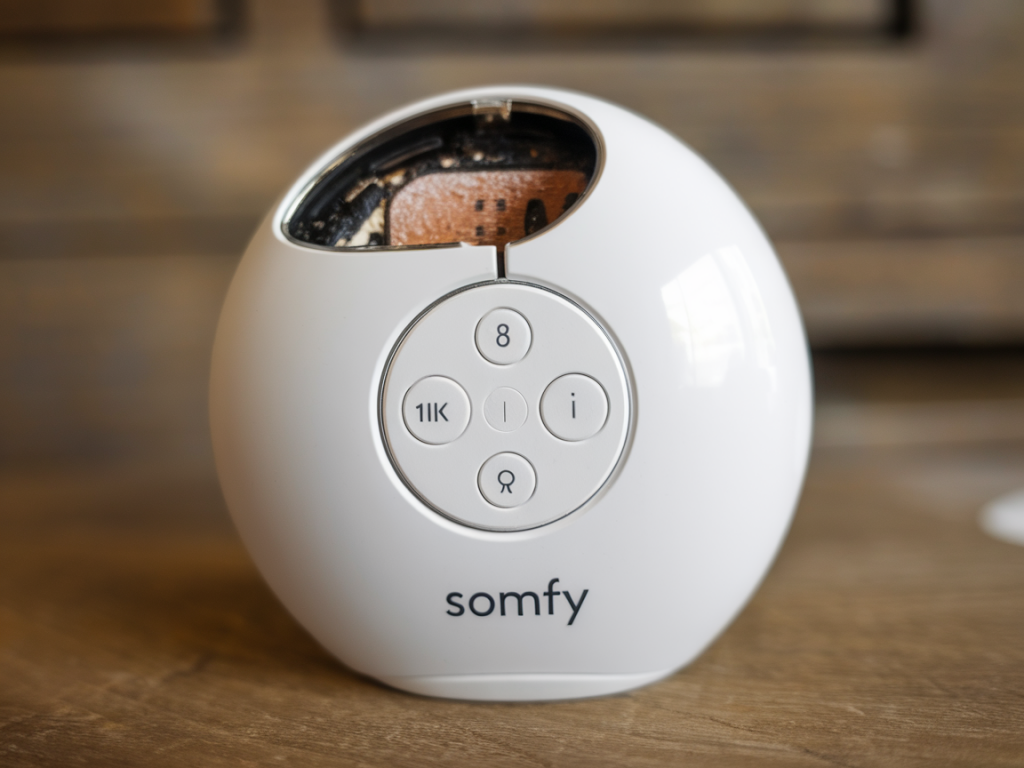
I often find that the smallest maintenance tasks can feel disproportionately stressful — like when a Somfy RTS remote stops responding and you realize it’s probably just a dead battery. If you're searching for a guide pour remplacer la pile dune télécommande, this is the practical, hands-on walkthrough I wish I’d had the first time I swapped one. I’ll take you through step-by-step instructions, safety precautions, troubleshooting tips, and a few small innovations to make the task quicker and less anxiety-inducing.
Why a reliable guide for replacing the battery matters
As someone who writes about innovation and practical solutions for busy professionals, I appreciate keeping tech running smoothly. Replacing a Somfy RTS remote battery is straightforward, but a few details — the right battery type, correct orientation, how to open the case without damaging it, and how to verify pairing — can make the difference between a five-minute fix and an afternoon of frustration. This guide pour remplacer la pile dune télécommande focuses on clarity and avoiding the common missteps.
Tools and supplies you’ll need
- A small flathead screwdriver or a coin (for older Somfy remotes).
- Replacement battery: typically CR2430, CR2032, or CR1620 depending on model — check your remote’s manual or the old battery.
- A clean, dry cloth to rest the remote on.
- Optional: a magnifying glass to read tiny battery markings, and a small container for screws or parts.
Step-by-step: how I replace a Somfy RTS remote battery
Here’s the exact routine I follow to make the swap smooth and safe.
- Locate the battery compartment: Most Somfy RTS remotes have a small notch or screw on the back. If yours has a screw, use the appropriate screwdriver and keep the screw somewhere safe.
- Open the case carefully: Use a coin or flathead to gently pry along the seam. I apply even pressure and work around the edge to avoid cracking the plastic. If it feels stuck, double-check for hidden screws rather than forcing it.
- Remove the old battery: Note the orientation — the + side usually faces up. I always take a quick photo with my phone to be sure.
- Insert the new battery: Use clean hands or a cloth; oils from fingers can reduce battery life. Match the orientation exactly. Don’t push too hard — it should seat easily.
- Reassemble the remote: Snap the casing back together or reinsert the screw. Test the buttons briefly. If everything works, you’re done.
Common battery types and compatibility
Not all remotes use the same cell. Below is a quick reference table I keep bookmarked when I’m assisting clients or fixing remotes at home.
| Somfy Remote Model (common) | Typical Battery Type | Notes |
|---|---|---|
| Telis 1 RTS | CR2430 | Check manual; older Telis may use CR2032 |
| Situo 5 RTS | CR2032 | Compact; verify orientation |
| Situo 1 RTS | CR1616 / CR1620 | Some models vary by region |
Precautions and safety tips I never skip
- Use the correct battery type: For longevity and electrical safety, match the exact cell type. Cheap or incorrect batteries can leak or offer poor performance.
- Avoid short-circuiting: Keep batteries in their packaging until insertion and never touch both terminals at once with metal tools.
- Dispose of old batteries responsibly: Put them in a dedicated recycling point — many stores accept button cells for safe disposal.
- Static and moisture: Work on a dry surface and avoid carpets if possible. Static discharge is rare but can harm electronics.
Troubleshooting: when the remote still doesn't work
Replacing the battery solves most issues, but sometimes the remote remains unresponsive. Here’s how I troubleshoot the persistent problems.
- Check contact corrosion: Inspect the metal contacts in the battery compartment. If there’s any white or green residue, gently clean with a cotton swab lightly moistened with isopropyl alcohol.
- Verify battery voltage: If you have a multimeter, check the new battery’s voltage. Even new batteries from unknown sources can be weak.
- Test the buttons: Dirt can jam buttons. Press each button firmly after opening the case. If buttons feel sticky, a small amount of isopropyl alcohol around the edges can help.
- Re-sync with the motor: Somfy RTS remotes can lose synchronization. Follow the motor’s procedure to reprogram the remote (consult the device manual). Often a short re-pairing step will restore control.
- Check for physical damage: Cracked casings or broken solder joints on older remotes can interrupt power. In those cases, repair or replacement of the remote might be necessary.
When to consider a replacement remote
If you’re repeatedly changing batteries, experiencing intermittent signals, or the remote shows physical damage, it may be time to replace the whole unit. I evaluate three factors before recommending a replacement: age of the remote, frequency of failures, and repair cost vs. replacement cost. For busy professionals, time is money — if a replacement saves hours of frustration, it’s often worth it.
Small innovations and life-hacks I've adopted
- Keep a spare remote battery on the keychain: A CR2032 or CR2430 fits in small holders. This has saved me during urgent times when the roller shutter won’t move.
- Photograph orientation: That quick photo I mentioned is saved in a folder called “Home Tech” — it’s become ridiculously useful.
- Label batteries with purchase date: Marking the date helps track age and predict replacements.
Where to find reliable parts and manuals
I usually turn to the official Somfy website or trusted European retailers for genuine batteries and replacement remotes. Community forums and manufacturer manuals also provide model-specific instructions — invaluable for rare or older remotes.
If you follow this guide pour remplacer la pile dune télécommande step by step, you’ll likely resolve 90% of battery-related Somfy RTS remote issues quickly and safely. If a problem persists beyond these checks, consider contacting a professional technician or the Somfy support line — sometimes the issue is with the motor receiver rather than the remote itself.